Why Home Music Lessons Benefit Your Child's Development
- Mar 21
- 5 min read
Music is more than just a form of entertainment; it is a powerful tool that can significantly impact a child's development. Home music lessons offer a unique opportunity for children to explore their musical talents in a comfortable environment. In this blog post, we will delve into the various benefits of home music lessons and how they contribute to a child's overall growth.
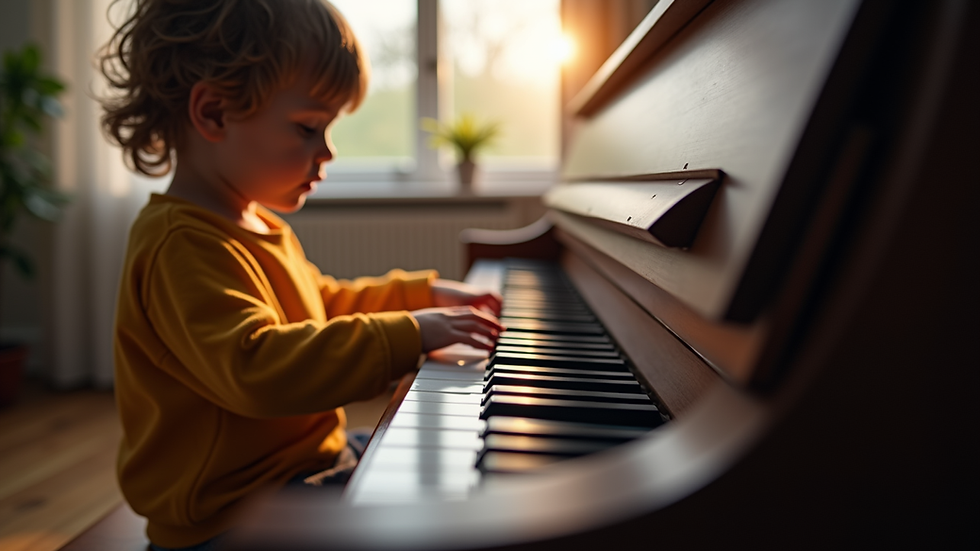
The Importance of Music in Child Development
Music plays a crucial role in the cognitive, emotional, and social development of children. Research has shown that engaging with music can enhance brain function, improve memory, and foster creativity. Here are some key areas where music education can make a difference:
Cognitive Development
Enhanced Memory Skills
Learning to play an instrument requires memorization of notes, rhythms, and techniques. This process strengthens memory skills, which can translate to improved academic performance in other subjects.
Improved Language Skills
Music education helps children develop better language skills. The rhythm and patterns in music can enhance phonetic awareness, which is essential for reading and writing.
Critical Thinking and Problem Solving
Music often involves improvisation and composition, encouraging children to think critically and solve problems creatively. This skill is invaluable in both academic and real-world situations.
Emotional Development
Boosted Self-Esteem
Mastering a musical instrument can significantly boost a child's self-esteem. As they progress and achieve their musical goals, they gain confidence in their abilities.
Emotional Expression
Music provides a safe outlet for children to express their emotions. Whether they are feeling happy, sad, or frustrated, playing music allows them to channel their feelings in a constructive way.
Stress Relief
Engaging in music can be a great stress reliever. It allows children to unwind and escape from the pressures of daily life, promoting overall mental well-being.
Social Development
Teamwork and Collaboration
Participating in group music lessons or ensembles teaches children the importance of teamwork. They learn to listen to others, collaborate, and work towards a common goal.
Cultural Awareness
Music is a universal language that transcends cultural boundaries. Through music lessons, children can explore different genres and styles, fostering an appreciation for diversity.
Building Relationships
Music lessons often create opportunities for children to connect with peers and instructors. These relationships can lead to lasting friendships and a sense of community.
The Advantages of Home Music Lessons
While traditional music lessons at a studio or school have their benefits, home music lessons offer unique advantages that can enhance the learning experience for children.
Personalized Learning Environment
Comfort and Familiarity
Learning in a familiar environment can help children feel more at ease. This comfort can lead to increased focus and a more enjoyable learning experience.
Tailored Instruction
Home music lessons allow instructors to customize their teaching methods to suit each child's individual learning style. This personalized approach can lead to faster progress and greater satisfaction.
Flexible Scheduling
Home lessons provide flexibility in scheduling, making it easier for families to fit music education into their busy lives. This convenience can lead to more consistent practice and learning.
Parental Involvement
Active Participation
Home music lessons encourage parents to be actively involved in their child's musical journey. This involvement can strengthen the parent-child bond and create a supportive learning atmosphere.
Encouragement and Motivation
When parents are present during lessons, they can provide immediate encouragement and motivation. This support can be crucial in helping children overcome challenges and stay committed to their musical education.
Monitoring Progress
Parents can easily monitor their child's progress during home lessons. This visibility allows them to celebrate achievements and address any difficulties promptly.
Cost-Effectiveness
Reduced Travel Costs
Home music lessons eliminate the need for transportation to and from a music school, saving families time and money.
Group Lessons
Many instructors offer group lessons at home, which can be more cost-effective than individual lessons. This option allows children to learn alongside their peers while still receiving personalized attention.
Access to Quality Instruction
With home lessons, families can choose from a wider range of instructors, ensuring they find the right fit for their child's needs without being limited to local options.
Choosing the Right Instructor
Selecting the right music instructor is crucial for maximizing the benefits of home music lessons. Here are some tips for finding the perfect fit:
Qualifications and Experience
Check Credentials
Look for instructors with formal training in music education or performance. Their qualifications can provide assurance of their teaching abilities.
Experience with Children
An instructor with experience teaching children will understand how to engage and motivate young learners effectively.
Teaching Style
Assess Compatibility
Every child has a unique learning style. It's essential to find an instructor whose teaching methods align with your child's preferences.
Trial Lessons
Many instructors offer trial lessons. Take advantage of this opportunity to see how well your child connects with the instructor and their teaching approach.
Communication Skills
Effective Communication
A good instructor should be able to explain concepts clearly and adapt their communication style to suit the child's understanding.
Feedback and Encouragement
Look for instructors who provide constructive feedback and encouragement. Positive reinforcement can significantly impact a child's motivation and progress.
The Role of Practice in Music Education
Regular practice is essential for mastering any musical instrument. Here are some strategies to encourage effective practice at home:
Establish a Routine
Set a Schedule
Create a consistent practice schedule that fits into your child's daily routine. Consistency is key to developing good habits and skills.
Short Sessions
Encourage shorter, focused practice sessions rather than long, overwhelming ones. This approach can help maintain your child's interest and prevent burnout.
Create a Dedicated Space
Designate a Practice Area
Set up a specific area in your home for music practice. This space should be free from distractions and equipped with all necessary materials.
Personalize the Space
Allow your child to personalize their practice area with items that inspire them, such as posters of their favorite musicians or instruments.
Use Technology
Apps and Online Resources
Leverage technology to enhance practice sessions. There are numerous apps and online resources available that can make learning more interactive and fun.
Recording Progress
Encourage your child to record their practice sessions. Listening to their progress can be motivating and help them identify areas for improvement.
Conclusion
Home music lessons provide a wealth of benefits that can significantly enhance a child's development. From cognitive and emotional growth to social skills and personalized learning experiences, the advantages are clear. By investing in home music lessons, you are not only nurturing your child's musical talents but also supporting their overall development in a meaningful way.
Encourage your child to explore the world of music, and watch as they flourish in ways you never imagined. Whether it's through improved academic performance, enhanced emotional well-being, or stronger social connections, the impact of music education is profound. Take the next step today and consider enrolling your child in home music lessons to unlock their full potential.


Comments